Veteran Iranian actor, theater director Kourosh Zarei passes away
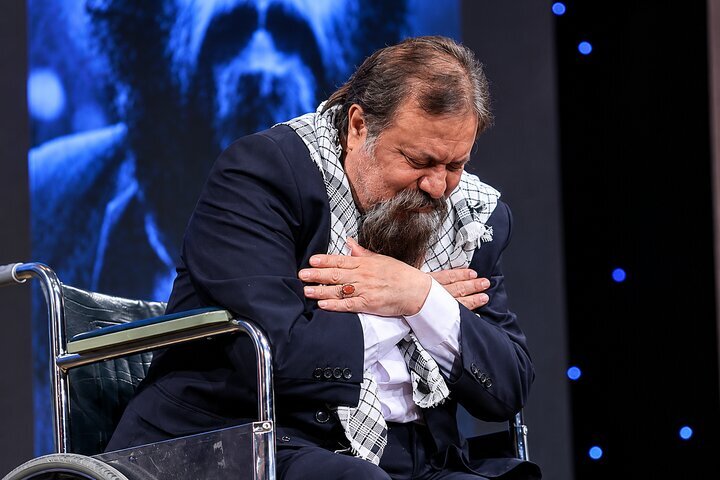
TEHRAN- Veteran Iranian actor and theater director Kourosh Zarei, a prominent figure in the country’s theater, cinema and television, died at his home on Sunday, November 8, following a period of illness. He was 55.
Zarei passed away due to complications from an illness he had been suffering from over the past two years.
A well-known figure in Iran’s performing arts, Zarei was particularly influential in the development of religious, revolutionary and popular theater. He served for several years as director of the Art Bureau’s Center for Dramatic Arts, where he worked to support and expand theater activities across the country.
Promoting mosque-based theater, organizing theatrical events and producing works centered on religious rituals and resistance were among his major contributions. His work in these fields helped provide opportunities for younger performers and strengthen the presence of committed theater in Iran’s cultural scene.
Zarei was also active as an actor in cinema and television, appearing in a number of productions. One of his best-known roles was Lavi, the elder brother of Prophet Joseph, in the popular television series “Prophet Joseph”, which brought him wider recognition among television audiences.
Following news of his death, Minister of Culture and Islamic Guidance Seyyed Abbas Salehi issued a message of condolence, describing Zarei’s passing as a loss for the country’s artistic community and cultural memory.
In his message, Salehi said the death of the veteran artist, who had worked in theater, cinema and television, had brought sorrow and grief. He noted that artists who devote years of their lives to the culture and art of their homeland leave behind a legacy that does not end with their passing, but continues to live on in society’s cultural memory.
The minister extended his condolences to Zarei’s family, colleagues and the country’s performing arts community, and prayed for divine mercy for the deceased and patience and peace for his bereaved family. He also expressed hope that Zarei’s students would continue his efforts to develop and support religious and resistance theater and promote performing arts among committed young people.
A number of other cultural and artistic figures and institutions also issued messages of condolence and paid tribute to the late artist.
Deputy Culture Minister for Artistic Affairs Mehdi Shafiei described Zarei as a committed and people-oriented artist who regarded art as a cultural and social responsibility, saying his years of work in promoting committed theater and religious and national values would remain part of the country’s artistic heritage. He also extended his condolences to Zarei’s family, particularly his artist wife, and the theater community.
Art Bureau director Mohammad-Mehdi Dadman recalled Zarei’s roots in Minab and his rise to prominence in Iranian professional theater, describing him as an accomplished actor and director whose faith was closely intertwined with his artistic life. Dadman highlighted his role in reviving mosque-based theater, organizing Arbaeen theater caravans and helping consolidate the resistance art movement, adding that Zarei had earned respect among artists in Iraq, Syria, Lebanon and North Africa.
Director General of Performing Arts Atabak Naderi, who said he had known Zarei since 1993, recalled the latter’s performance in a play at the 12th Fajr International Theater Festival, which helped introduce him to the country’s theater community. Naderi also referred to Zarei’s religious productions as well as his work in theater management and his role as secretary of the 41st Fajr International Theater Festival.
Mehdi Naghavian, head of the Sima Film Center, paid tribute to Zarei’s contribution to committed television and performing arts, particularly recalling his memorable role in “Prophet Joseph.”
The Association of Revolution and Sacred Defense Cinema also described him as an actor, director, writer and manager whose presence and performances in cinema, theater and television would remain in the public memory.
Mohammad Allahyari Foumani, CEO of the Arts Credit Fund, highlighted Zarei’s commitment to Islamic values and his responsible approach to the mission of art. He also recalled Zarei’s service as a member of the fund’s board of directors, where he had helped pursue the concerns and demands of cultural and artistic professionals.
Ayoub Aqakhani, secretary of the 45th Fajr International Theater Festival, also issued a message in which he paid tribute to Zarei’s personal character, beliefs and artistic legacy, describing him as a figure whose life and work embodied the idea of committed theater in post-revolutionary Iran.
SAB/
Leave a Comment